Electric Hot Water Systems
Keeping it Hot with an Electric Hot Water System
In the cold of winter, nothing is more vital than a working hot water system. This electrical appliance is commonly overlooked and can seem complicated or even mysterious. We often forget how much we depend on our hot water system for daily activities like showering, cooking and washing up, until it fails.
In this month’s Bright Solutions Newsletter, we take pay homage to the humble work horse, the Electric Hot Water System and explain how this important electrical appliance works in your home.
How Does an Electric Hot Water System Work?
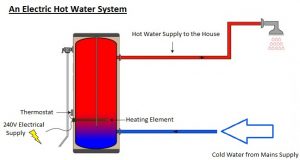
An electric hot water system (EHWS) works similar to a household electric kettle. Cold water is pumped from the mains water to an insulated storage tank, where it is heated by one (or two) heating elements. These heating elements require a designated electrical power supply which is connected back to the electrical switchboard.
Initially, cold water fills the bottom of the tank and as the water is heated by the element, it rises to the top of the tank where it is stored ready to be used. When a hot water tap is turned on, hot water from the system is drawn out from the top of the tank and cold water is pumped back into the bottom of the tank to replace the water used, ready to be heated.
Thermostat
A thermostat is used to control and maintain water temperature in the EHWS. Due to hot water usage or general heat loss, the thermostat detects a drop in the water temperature below a pre-set level (typically between 60-80°C) which in turn triggers the heating element(s) to heat the water back up again to the correct temperature. As more hot water is used, the cycle starts again.
Whether you have an electric hot water system or another type of hot water system, it is useful to understand how your system works just in case you get into hot water… or in this case cold water.
Stay Tuned… Next month we share with you our Top 5 Troubleshooting Tips for Electrical Hot Water Systems.